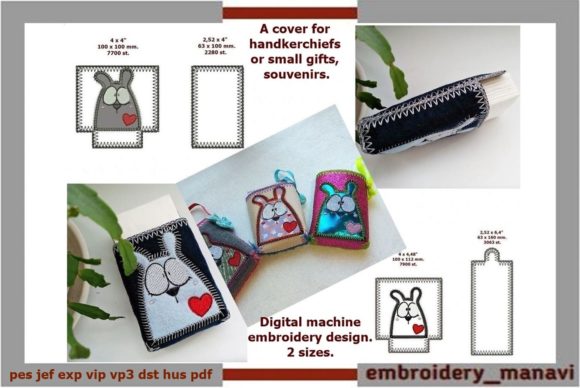
Reviewing ITH Case for Handkerchiefs or Small Gift
As a designer who spends countless hours testing embroidery files before recommending them to my own clients or listing them in my digital shop, I approach every new download with a mix of excitement and skepticism. You never truly know how a design will translate from the screen to the fabric until you run it through the machine. Today, I want to walk you through my experience evaluating the ITH Case for Handkerchiefs or Small Gift. This isn't just about whether the stitches hold together; it is about whether this design fits into a real-world workflow for a small business owner, an Etsy seller, or a creative entrepreneur looking to add value to their handmade products.
The First Impression: Mood and Visual Personality
When I first opened the file, the layout immediately suggested a project that balances utility with charm. The design creates a mood of thoughtful gifting and organized elegance. Unlike some designs that scream for attention with loud graphics, this one feels more like a quiet invitation. It has a visual personality that suits personalization perfectly. Whether you are creating a boutique product for a wedding favor or a custom item for a craft fair, the shape of the case implies protection and care.
The structure of the design suggests it belongs naturally on items like tea towels, aprons, or even as a decorative element on a tote bag. It does not feel like an afterthought; it feels like the centerpiece of a finished product. For those of us selling embroidery files or finished goods, this kind of cohesive look is essential. It signals to the buyer that the creator put intention into the piece, which directly impacts customer trust and perceived value.
Real-World Application: From Digital File to Finished Product
I decided to test this design in a scenario that mirrors what many of our readers face: preparing a holiday gift line for a small shop. I imagined using the ITH Case for Handkerchiefs or Small Gift on a set of personalized kitchen towels and matching handkerchiefs for a bridal shower. The goal was to create a cohesive brand identity where the embroidery looked professional enough to command a higher price point.
In practice, the design performs well as a standalone embroidery project. When stitched onto a high-quality cotton towel, the definition held up beautifully. The layout allows for ample space around the edges, which is crucial when working with items that might be folded or tucked away. I also considered its potential on a sweatshirt pocket or a baby onesie. While the name suggests "handkerchiefs," the scale of the design makes it versatile enough for custom apparel or even a decorative patch on a denim jacket.
For Etsy sellers and digital product sellers, this design offers excellent flexibility. You can use it to create mockups that show a finished product inside a box, emphasizing the unboxing experience. It works particularly well for holiday embroidery projects where the recipient is meant to receive something they can actually use. The design transforms a simple textile into a functional gift, adding a layer of practicality that buyers love.
Where to Exercise Caution: Technical Considerations
However, no design is without its challenges, and as an experienced reviewer, I need to highlight where this file requires careful handling. If you are planning to use this on small hoop sizes or textured fabrics, you must proceed with caution. The intricate details within the case structure might get lost if the stitch density is too high for the fabric grain.
I would advise against using this on stretchy fabrics like thin jersey or loose-knit t-shirts unless you are using a heavy-duty stabilizer. The tension required for the satin stitch areas could cause puckering on these materials. Similarly, if you are working with dark fabric, ensure your thread colors have sufficient contrast. A light-colored outline on a navy background might disappear during the stitching process, ruining the clarity of the design.
Another critical area is curved surfaces like caps or hats. While the design looks great on flat planes, applying it to a curved brim or crown requires advanced skills. The corners of the case design might not lay flat if the curvature is too aggressive. For embroidered patches intended for iron-on application, the dense fill areas might make the back side stiff, which could affect comfort if worn directly against the skin.
Stitch Density and Fabric Texture
The balance between fill stitch and running stitch is key here. If the design uses too much density, it can become difficult to stabilize properly, especially on delicate materials like silk or sheer curtains. Conversely, if the fabric texture is too coarse, such as burlap or heavy canvas, the fine lines of the case might not register clearly. Always test the thread colors against the specific fabric texture you intend to use. A color that looks vibrant on a computer screen might appear dull on a matte linen.
Impact on Brand Consistency and Customer Engagement
From a business perspective, the quality of this design directly influences brand consistency. When a customer receives a product with clean, precise stitching, they are more likely to leave a positive review and return for future purchases. The ITH Case for Handkerchiefs or Small Gift adds a touch of professionalism that elevates a homemade item into a boutique product.
This design is ideal for commercial embroidery projects where time and precision matter. It helps streamline your production process because the layout is logical and easy to center. For creative entrepreneurs looking to expand their inventory, this file provides a reliable asset for creating printable mockups that attract buyers online. It signals that your shop cares about the details, which is a major factor in buyer engagement.
Practical Designer Notes Before You Stitch
Before you commit this design to a final order or a commercial product line, there are several steps I strongly recommend taking. First, always test the design on scrap fabric that matches the weight and weave of your final material. This simple step can save you hours of frustration and wasted supplies.
Check the stabilizer requirements carefully. Depending on the fabric, you may need cut-away stabilizer for durability or tear-away for lightweight projects. If you are unsure about the exact hoop size or file formats, please verify these details in the original product documentation. Do not assume compatibility across all machines without checking.
Inspect the small details closely. Are there any tiny letters or decorative accents that might break under tension? Run the design in black and white mockups to ensure the composition holds up without the distraction of color. Compare how it looks on both light and dark backgrounds to confirm versatility.
Finally, confirm your licensing terms. If you plan to sell finished items made with this design, ensure you have the proper commercial license. If you are a craft business owner, understanding the rules regarding design assets is vital to avoid legal issues down the road.
Final Thoughts on Practical Value
The ITH Case for Handkerchiefs or Small Gift stands out as a thoughtful addition to any library of machine embroidery designs. It bridges the gap between a purely decorative motif and a functional element, making it perfect for personalized gifts and small shop products. While it requires attention to detail regarding fabric choice and stabilization, the reward is a finished product that looks polished and professional.
Whether you are decorating a baby item, updating a home decor collection, or creating merchandise for your apparel decorator business, this design offers a solid foundation. It encourages creativity while maintaining the structural integrity needed for high-quality output. By treating it with the same respect you would give any other critical component of your workflow, you can transform a simple digital file into a cherished physical object.