Stocking Gift Card Envelope: A Designer's Real-World Review
As someone who has stitched thousands of designs for everything from boutique branding to family heirlooms, I approach every new machine embroidery design with a mix of excitement and skepticism. The market is flooded with generic holiday motifs, but finding something that balances festive charm with practical construction is rare. Today, I am evaluating the Stocking Gift Card Envelope, a piece specifically tailored for the Christmas season. My goal here is not to simply list features, but to walk you through how this embroidery file performs when it moves from the digital screen to a real-world project like a custom tote bag, a holiday apron, or a personalized gift for a client.
First Impressions and Visual Personality
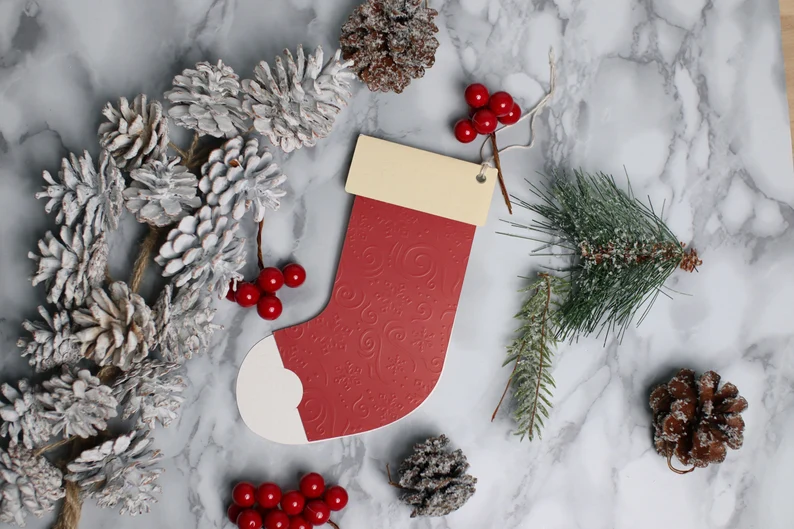
The moment you open the preview for the Stocking Gift Card Envelope, the mood shifts. It immediately feels cozy, inviting, and perfectly suited for the winter holidays. Unlike some Christmas designs that feel cluttered or overly busy, this layout relies on clean lines and a functional shape. The concept of a stocking holding a gift card is clever because it solves a modern problem: how to present cash or gift cards in a way that feels thoughtful and handmade rather than transactional.
Visually, the design strikes a balance between traditional holiday aesthetics and contemporary utility. The shape of the stocking suggests a classic silhouette, while the envelope element adds a layer of sophistication. This isn't just a decoration; it is a functional accessory. For designers looking to create holiday embroidery products that stand out on platforms like Etsy, this visual personality offers a distinct advantage. It feels personal, which is exactly what buyers are seeking when they purchase handmade products during the peak shopping season.
Real-World Application: From Concept to Finished Product
To truly understand the value of this design, we have to imagine it in action. Let's say you are an Etsy seller preparing inventory for the November rush. You decide to create a line of custom apparel and accessories. The Stocking Gift Card Envelope shines when applied to items like canvas tote bags, kitchen towels, or baby onesies. Imagine stitching this onto a sturdy cotton canvas tote; the result is a practical bag that a customer can use year-round, but which serves as a perfect vehicle for holiday gifting.
I also see this design performing exceptionally well on softer fabrics like fleece sweatshirts or flannel shirts. When used on a sweatshirt embroidery project, the design acts as a focal point on the chest or pocket area. However, the true potential lies in its versatility as a personalized gift. A small shop owner could stitch this onto a set of matching napkins or a pillow cover, creating a cohesive brand identity that says "this was made with care." The design works as a standalone motif, but it also pairs beautifully with simple text elements like a family name or the current year, adding a layer of customization that increases the perceived value of the finished product.
For those selling digital product previews, this design is a goldmine. It translates well into mockups, allowing customers to visualize how the embroidery project will look on their chosen item before purchasing. Whether you are creating a printable mockup for a boutique or showcasing a sample for a craft fair, the clean lines of the Stocking Gift Card Envelope ensure that the details remain visible even in smaller thumbnail images.
Where to Exercise Caution
While the design is robust, no single embroidery design is a universal solution. There are specific scenarios where the Stocking Gift Card Envelope might struggle if not handled with care. One major consideration is the hoop size. If your machine requires a large hoop to accommodate the full design, you may find it difficult to place on curved surfaces like caps or hats without distortion. For embroidered patches intended for application on tight areas, you must verify that the design scales down without losing the integrity of the stitches.
Fabric texture plays a significant role in the final outcome. On highly textured fabrics, such as heavy waffle-knit towels or nubby wool blends, the fine details of the running stitch or delicate satin stitch edges might get lost. Similarly, on stretchy knits, you need to be vigilant about using the correct stabilizer to prevent puckering. If the design includes dense fill areas, applying it to thin fabric without adequate backing can lead to tearing or a bulky feel that detracts from the garment's drape.
Another critical factor is thread color contrast. If you are working with dark fabrics, ensure that the thread colors provided in the file offer sufficient contrast against the background. Poor contrast can make the design appear muddy or indistinct, reducing the professional quality of the commercial embroidery work. Always test the design on scrap fabric first to confirm that the stitch density sits correctly and that the thread colors pop as intended.
Impact on Brand and Customer Trust
In the world of craft business, the quality of your execution directly influences customer trust. A well-executed Stocking Gift Card Envelope design signals professionalism. It shows that you understand the nuances of embroidery file placement, tension, and finish. When a customer receives a small shop product that looks polished and precise, they are more likely to return and recommend your services to others.
This design enhances the giftability of your items significantly. By transforming a standard gift card into an embroidered keepsake, you elevate the emotional connection between the giver and the receiver. The design implies effort and thoughtfulness, which are key drivers of engagement for creative entrepreneurs. Furthermore, consistent use of high-quality designs helps build a recognizable brand identity. If your digital embroidery file library includes cohesive themes like this one, customers will begin to associate your style with reliability and festive cheer.
Practical Designer Notes for Success
Before you commit to running this design on your production line, there are several technical steps you must take. First, always review the stitch density within the software. If the design is too dense for the fabric you intend to use, it may require trimming or a change in stabilizer type. Confirm the recommended hoop size and ensure your machine can handle the dimensions without compromising the design's geometry.
Inspect the small details closely. Does the design include tiny lettering or intricate corners? These elements often fail if the fabric moves during stitching. Using a proper stabilizer is non-negotiable here; a cut-away stabilizer is often best for maintaining structure in apparel decorators projects, while tear-away might suffice for lighter home decor items. Check whether the design works for both personal and commercial projects by reviewing the licensing terms carefully. Some files allow for unlimited sales, while others restrict the number of units you can produce.
Finally, test the design in black and white mockups to ensure the composition holds up regardless of color. Compare light and dark fabric backgrounds to see how the embroidery project adapts to different palettes. By following these guidelines, you ensure that the Stocking Gift Card Envelope delivers the high-quality results your clients expect. Whether you are creating a unique holiday gift for a neighbor or building a scalable line of boutique branding items, this design offers a solid foundation for your next creative venture.