Nutcracker Paper Sculpture: A Designer's Real-World Embroidery Review
As a designer who spends more time in the hoop than behind a desk, I approach every new machine embroidery design with a mix of excitement and skepticism. The market is flooded with generic holiday motifs, but finding a piece that balances artistic flair with technical feasibility is rare. Today, I am evaluating the Nutcracker Paper Sculpture, a digital asset categorized under Objects. My goal isn't just to tell you what it looks like on screen, but to walk you through how this design performs when it hits the fabric, specifically for those of us running small businesses or creating high-end handmade products.
The First Impression: Mood and Visual Personality
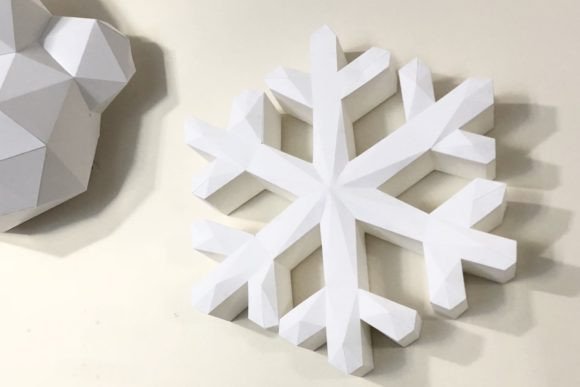
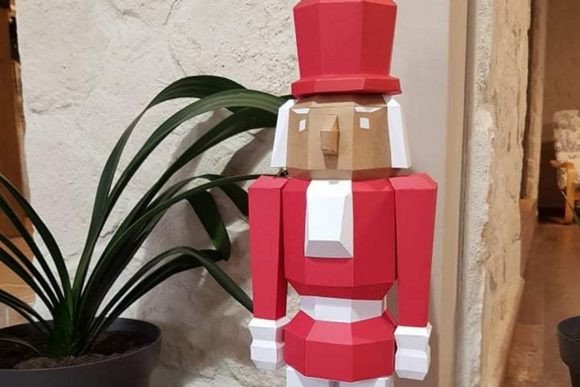
When I first opened the file for Nutcracker Paper Sculpture, the immediate feeling was one of whimsical depth. Unlike standard flat vector icons often seen in basic embroidery libraries, this design attempts to mimic the layered, cut-paper aesthetic of a traditional paper craft. It creates a mood that is nostalgic yet modern, perfect for the holiday season without screaming "cheap decoration."
The layout relies heavily on distinct layers to create that three-dimensional paper effect. For an embroiderer, this translates to a fascinating challenge: can we replicate the illusion of depth using thread? The design feels best suited for projects where texture is key. It naturally belongs in a boutique setting, perhaps as part of a curated gift set or a high-end home decor item. It has a visual personality that says "handmade" before the needle even touches the cloth, which is exactly what customers are paying for today.
Real-Life Application: From Screen to Stitch
To truly judge Nutcracker Paper Sculpture, I put it through a practical test scenario. I decided to use it for a custom embroidered tote bag intended for a local holiday market. The goal was to create a unique accessory that would stand out on a rack alongside mass-produced goods.
The result was promising. On a sturdy canvas tote, the design held up beautifully. The contrast between the different stitch types helped define the "cut" edges of the paper sculpture. However, I quickly realized that the success of this project hinged on the choice of thread colors. Because the design mimics shadows and highlights inherent in paper folding, using monochromatic threads or subtle gradients worked better than bright, primary colors, which made the image look muddy rather than dimensional.
I also considered its potential for sweatshirt embroidery. Imagine a cozy winter sweater featuring this design on the back. The Nutcracker Paper Sculpture offers enough detail to be interesting but isn't so dense that it becomes a stiff, uncomfortable patch. It would make an excellent personalized gift for a client who appreciates artsy, seasonal decor. Furthermore, for Etsy sellers looking to expand their catalog, this design fits perfectly into niches like nursery decor or holiday-themed kitchen towels. It adds a touch of sophistication that generic clipart simply cannot match.
Where This Design Shines
- Holiday Embroidery: The theme is timeless, making it a safe bet for seasonal collections.
- Home Decor: It excels on pillow covers and aprons where a decorative accent is needed.
- Boutique Branding: The unique style elevates the perceived value of small shop products.
- Digital Product Previews: When used in printable mockups, the layered look sells itself instantly.
Critical Considerations and Potential Pitfalls
While the artistic vision is strong, no design is without its technical hurdles. As an experienced reviewer, I must point out where Nutcracker Paper Sculpture requires careful handling. If you are planning to use this for embroidered patches or items that will undergo frequent washing, you need to scrutinize the stitch density.
First, consider the hoop size. If you attempt to scale this down too much for a hat or a baby onesie, the intricate details of the paper layers may collapse into a blur. Small hoop sizes often struggle with designs that rely on fine lines to distinguish layers. You might lose the "paper sculpture" effect entirely, leaving a confusing blob of thread.
Fabric choice is equally critical. This design should not be used on thin, stretchy fabrics like jersey unless you are extremely confident in your stabilizer game. The tension required to pull off the sharp angles of the paper layers could cause puckering on lightweight materials. Similarly, on dark fabrics, the background fill stitches might become lost if the underlay isn't robust enough. Always test on scrap fabric first to ensure the running stitch and satin stitch elements hold their shape without distorting the base material.
Areas Requiring Caution
- Curved Surfaces: While caps are popular, the complex geometry of this design might not follow the curve of a hat brim well.
- Dense Stitch Areas: Check the corners; they may require extra trimming or stabilization to prevent thread breaks.
- Textured Fabrics: Bouclé or heavy tweed can hide the delicate details of the paper layers.
- Commercial Projects: Ensure you have verified the licensing terms before selling finished items containing this design.
Impact on Visual Appeal and Customer Trust
In the world of craft business, presentation is everything. A well-executed Nutcracker Paper Sculpture design signals professionalism. When a customer sees a clean, detailed finish on a product, their trust in the brand increases. They perceive the item as higher quality and are often willing to pay a premium price.
This design enhances brand consistency by offering a cohesive look across various product lines. Whether it appears on a tote bag design or a kitchen towel, the consistent art style ties the collection together. It also boosts buyer engagement; the unique visual story of the paper sculpture invites conversation, making the product more memorable than a standard logo or simple text design.
However, poor execution can damage customer trust. If the fill stitch areas are too tight or the colors clash, the design looks amateurish. That is why testing in black and white mockups is essential. It helps you see if the structure holds up without relying on color to hide flaws. If the shape reads clearly in grayscale, it will likely read clearly in color.
Practical Designer Notes for Success
Before you commit to a full production run of Nutcracker Paper Sculpture, here is my checklist for ensuring a flawless finished product:
- Stabilizer Strategy: Use a cut-away stabilizer for durability, especially if the item will be washed frequently. Hoop stability is non-negotiable for this level of detail.
- Thread Contrast: Select thread colors that enhance the layering effect. Avoid tones that blend too seamlessly, as the definition between "layers" is the soul of the design.
- Licensing Verification: Confirm whether the digital embroidery file allows for commercial use. Many designers sell personal licenses only, which restricts your ability to sell the physical goods.
- Machine Compatibility: While most modern machines handle these files, check the specific format requirements (like .dst or .pes) and ensure your machine software interprets the applique design elements correctly if applicable.
- Small Business Merchandise: If you are producing for a holiday gift line, batch test the design to ensure consistency across multiple units.
The Nutcracker Paper Sculpture is more than just a festive icon; it is a versatile tool for creative entrepreneurs. It bridges the gap between digital art and tactile craft, offering a fresh take on traditional holiday themes. By respecting its technical limitations and leveraging its artistic strengths, you can create standout pieces that resonate with buyers and elevate your custom apparel offerings. Whether you are a hobbyist making a special present or a seasoned apparel decorator building a catalog, this design deserves a spot in your arsenal—provided you treat it with the care it demands.