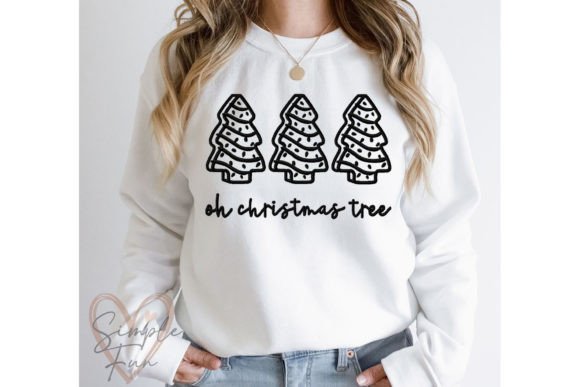
Debbie Cake Tree: A Christmas Branding Asset for Local Businesses
As a brand designer who has spent years helping local businesses find their visual voice, I recently had the opportunity to evaluate a specific graphic design asset called Debbie Cake Tree. My goal was not simply to admire the illustration, but to determine if it could serve as a functional cornerstone for a real-world small business project. Specifically, I was considering its application for a boutique holiday bakery launching a new line of seasonal treats. When you hold a digital file like this in your hands, or rather, view it on your screen, you are looking at more than just an image; you are looking at a potential key element of a brand identity that needs to communicate warmth, festivity, and quality.
The first impression of Debbie Cake Tree is undeniably festive. It exudes a mood that is both playful and inviting, suggesting a brand personality that is friendly, handmade, and deeply rooted in tradition. For a local food business or a boutique owner selling seasonal goods, this asset immediately signals that they care about the details. It feels organic and decorative without being overly stiff or corporate. In the crowded marketplace of Christmas products, having a visual element that strikes this balance between modern design and nostalgic charm is crucial. It suggests a business that values community and connection, making it an excellent candidate for brands that want to build an emotional connection with their customers before they even make a purchase.
Strategic Applications for Small Business Branding
In my experience, the true value of a design asset lies in its versatility across various touchpoints. Debbie Cake Tree is not limited to a single use case; it can be integrated into a comprehensive marketing strategy. Imagine using this illustration as the hero graphic on a website banner for a coffee shop introducing their holiday menu. The visual hierarchy would naturally guide the customer's eye from the festive icon to the product offerings, creating a clear path for engagement. For a handmade soap business or a candle maker, this asset could serve as a central motif on product labels, transforming a simple jar into a gift-worthy package.
The potential extends further into physical promotional materials. I envision Debbie Cake Tree acting as a decorative accent on hang tags attached to clothing items in a boutique store during the winter season. It could also be adapted for thank-you cards included in every order, adding a personal touch that encourages repeat business. For social media managers, this graphic design asset is perfect for creating consistent campaign visuals. Whether used as a background for a flyer promoting a pop-up shop or as a sticker design for packaging inserts, it provides a cohesive look that strengthens brand recognition. Even for editorial design projects, such as a local magazine feature on holiday baking, this asset could add a professional polish to the layout.
Elevating Product Presentation and Customer Trust
One of the most significant challenges for small business owners is standing out on the shelf or in a digital feed. A well-chosen asset like Debbie Cake Tree directly addresses this by improving shelf appeal and creating a stronger first impression. When a customer sees a product with thoughtful, high-quality graphics, their perception of the product's quality shifts positively. This asset supports better product recognition because it offers a unique visual signature that competitors likely do not have. By incorporating Debbie Cake Tree into their branding, a local business signals professionalism and attention to detail, which fosters improved customer trust.
Furthermore, the asset helps establish a clearer visual hierarchy. In a busy promotional ad or a complex product mockup, a strong central illustration anchors the design, allowing text and other elements to sit comfortably around it. This results in more polished marketing visuals that feel intentional rather than cluttered. For a children's product brand or a home decor shop, the soft and decorative nature of the tree adds a layer of warmth that resonates emotionally with buyers. It transforms a standard commercial transaction into a shared celebration of the season, which is exactly what many creative entrepreneurs aim to achieve.
Where to Deploy and Where to Exercise Caution
While Debbie Cake Tree is highly versatile, a seasoned designer knows that context is everything. This asset works best when applied to product labels, packaging accents, and seasonal packaging where there is room for decoration. It shines as a hero graphic on promotional banners or as a decorative brand element in web design. However, there are scenarios where caution is required. If a brand is aiming for a very formal corporate identity or a luxury minimalist aesthetic, this asset might feel too whimsical or heavy. Similarly, on very small labels where space is at a premium, intricate details can become muddy and lose their impact.
I also advise against using Debbie Cake Tree in layouts that are already crowded with ingredient-heavy information or legal disclaimers. The design should never compete with important text, especially in areas where readability is critical for compliance. On low-contrast backgrounds, the colors may get lost, reducing the effectiveness of the visual. For brands that rely heavily on stark black-and-white minimalism, this colorful, festive illustration might clash with their established tone. It is essential to ensure that the decoration enhances the message rather than distracting from the core information the business needs to convey.
Essential Designer Notes for Implementation
Before committing to using Debbie Cake Tree for client work or physical product sales, several practical steps must be taken. First, always test the asset on real packaging mockups. Seeing a design on a flat screen is different from seeing it wrapped around a box or printed on a label. Check how it looks in black and white to ensure the form remains distinct without color support. Previewing it on small labels is also vital to confirm that fine details remain legible at reduced sizes.
Technical compatibility is another critical factor. Test the asset with various brand colors to see how it harmonizes with existing palettes. Compare it side-by-side with competitor packaging to ensure it offers a unique advantage. If the asset is provided as a PNG design, inspect the transparency carefully to avoid unwanted white edges. If SVG design files are available, verify their editability so you can adjust strokes and fills as needed. It is also wise to review how the illustration pairs with different font styles; try placing it beside serif fonts for a classic look, sans-serif fonts for a modern touch, script fonts for elegance, and handwritten fonts for a cozy vibe.
Finally, and perhaps most importantly, confirm the commercial license before using Debbie Cake Tree in any commercial design project. Ensure that the terms allow for use in product sales, print runs, and digital marketing. Understanding the scope of the commercial license protects both the designer and the business owner from potential legal issues. By following these guidelines, you can leverage this graphic design asset to create professional branding that truly elevates your local business.
Ultimately, Debbie Cake Tree represents more than just a clipart image; it is a tool for storytelling. For food businesses, boutique owners, and creative entrepreneurs, it offers a way to inject personality and joy into their brand identity. When used thoughtfully, it can turn a simple product into a memorable experience, proving that the right visual elements can make all the difference in the world of small business branding.