Cold Christmas: A Designer's Review for Real Projects
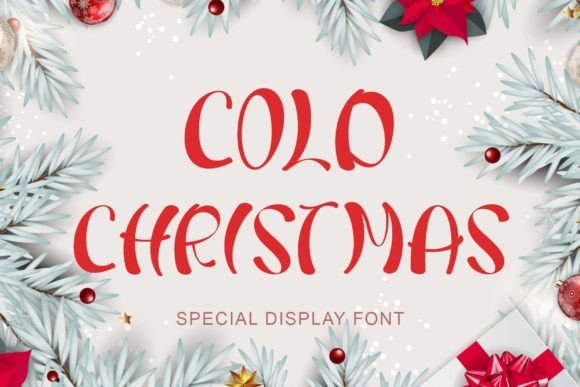
When I first opened the file for Cold Christmas, my initial reaction wasn't just about the festive theme; it was about the mood. There is a specific chill in the air that this design captures, evoking the crisp silence of a winter morning before the snow begins to fall. As someone who reviews embroidery designs for real-world application, I am always looking for more than just a pretty picture. I need to know how it translates from a screen to a needle. This piece feels like it belongs on a heavy wool coat or a rustic linen kitchen towel rather than a flimsy polyester shirt. It has a personality that screams "boutique quality," making it an excellent candidate for designers and small business owners looking to elevate their holiday collections.
The Visual Personality and First Impressions
Cold Christmas isn't trying to be the loudest thing in the room. Instead, it relies on a clean layout and thoughtful negative space to let its imagery breathe. The visual weight is balanced perfectly, avoiding the cluttered look that often plagues holiday designs. When you imagine stitching this out, the composition suggests a high level of professionalism. It feels curated, almost like a piece of art waiting to be framed or sewn onto a canvas. For a display category item, it sets a standard that tells the viewer, "This was made with care." The shape and theme work together to create a sense of calm amidst the holiday chaos, which is exactly what many customers are craving when they buy handmade gifts.
The detail level is where this design truly shines for practical use. It avoids over-stitching in areas that don't need it, which is crucial for maintaining fabric integrity. If you are planning to use this for a custom sweatshirt or a tote bag design, the balance between decorative accents and structural stitches is spot-on. It doesn't feel like a rushed digital asset; it feels like a finished product ready for production. The visual appeal is timeless enough to fit into a modern aesthetic while still honoring traditional holiday motifs.
Real-World Application: From Screen to Stitch
Let's talk about putting this to work. I recently considered using Cold Christmas for a limited run of embroidered patches intended for a boutique brand's holiday line. The thought process involved imagining how the design would hold up on a curved surface versus a flat one. Because of its layout, it performs exceptionally well on flat surfaces like aprons, pillow covers, and tea towels. The density of the fill stitches provides a rich texture that looks luxurious against the weave of cotton or denim.
However, the versatility extends beyond home decor. Imagine this design on a baby blanket or a personalized gift for a new parent. The gentle, wintry vibe fits perfectly in a nursery setting without being overwhelming. For Etsy sellers and craft fair vendors, this is a goldmine. Customers often look for items that feel unique and artisanal. An embroidered patch featuring Cold Christmas attached to a leather jacket or a canvas tote bag adds a layer of sophistication that mass-produced items simply cannot match. It transforms a simple garment into a statement piece, increasing the perceived value of the finished product.
I also see potential in commercial embroidery projects for corporate holiday gifts. Companies love personalized merchandise, and a design with such a distinct character can help a brand stand out. Whether it's stitched onto a cap for a staff event or printed as part of a printable mockup for a digital product preview, the design holds its own. It conveys a message of warmth and tradition, which resonates deeply during the season.
Navigating Fabric and Hoop Challenges
While Cold Christmas is robust, no design is without its limitations. As an experienced reviewer, I must point out where caution is needed. If you are working with small hoop sizes, you need to inspect the smaller details closely. While the main elements should stitch clearly, any tiny lettering or intricate corners might get lost if the scale is too small. Always test the design on scrap fabric first to ensure the stitch density remains consistent across different materials.
Fabric texture plays a massive role here. On textured fabrics like chunky knits or heavy corduroy, the design might not lay as flat as it does on smooth poplin. Similarly, thin or stretchy fabrics require extra attention to stabilizer usage. Without proper support, the tension of the satin stitch could cause puckering, ruining the professional look of the final product. Dark fabrics present another challenge; you will need to select thread colors that offer sufficient contrast to make the design pop. A light-colored thread on a dark background might get swallowed by the fabric unless you use a high-quality underlay or backing.
Curved surfaces like caps can be tricky. While the design is adaptable, the curvature of a hat can distort the proportions if the digitizing didn't account for it. It is safer to use this design on items with flatter planes, such as a sweatshirt chest area or a pillow cover, unless you have advanced skills in adjusting for curvature. Additionally, products that need frequent washing, like kitchen towels, benefit from this design's durability, but you must ensure the thread colors are colorfast to maintain the visual appeal after multiple cycles.
Strategic Notes for Designers and Sellers
For those of us running a craft business or selling digital embroidery files, the decision to use Cold Christmas comes down to trust and presentation. A well-executed embroidery project builds customer confidence. When a buyer sees a design that stitches cleanly with good definition, they assume the entire brand operates with that same level of precision. Conversely, sloppy stitching or poor contrast can undermine even the best marketing efforts.
Before adding this to your inventory or using it for a client project, consider these practical steps:
- Test on Scrap: Always run a test stitch on the actual fabric you intend to use. Check how the thread interacts with the material grain.
- Check Contrast: View the design in black and white mockups to ensure the shapes remain distinct without relying solely on color.
- Stabilizer Selection: Match your stabilizer to the fabric weight. Heavy designs on light fabric need heavy-duty support.
- Licensing Verification: Confirm whether the license allows for commercial use if you plan to sell finished items. This is critical for protecting your small shop product from legal issues.
- Hoop Size Confirmation: Ensure the design fits within your machine's maximum hoop size, especially if you are creating large display pieces.
If you are selling digital assets, providing clear instructions on thread colors and recommended stitch types (like satin stitch for borders and fill stitch for backgrounds) will add immense value to your listing. Buyers appreciate knowing exactly what to expect from an embroidery file before they purchase.
Final Thoughts on Value and Versatility
In the world of handmade products, Cold Christmas stands out as a design that respects both the artist and the wearer. It strikes a balance between seasonal cheer and elegant simplicity. Whether you are an apparel decorator looking to refresh your holiday catalog or a hobbyist wanting to create a special personalized gift, this design offers a solid foundation for creativity.
It works beautifully as a centerpiece for a holiday collection, adding a touch of refined style to everything from baby embroidery to adult custom apparel. By paying attention to the nuances of fabric choice, stabilizer application, and thread selection, you can ensure that every finished product reflects the high standards implied by the design itself. For anyone serious about their craft business or looking to create memorable gifts, Cold Christmas is a worthy addition to your library of design assets. Just remember to treat it with the care it deserves, and it will reward you with beautiful, lasting results.