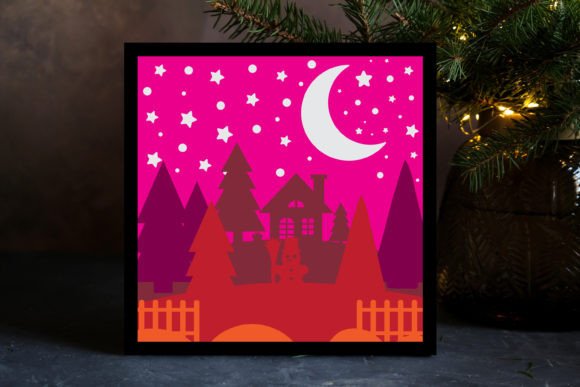
Christmas 3d Shadow Box SVG Review
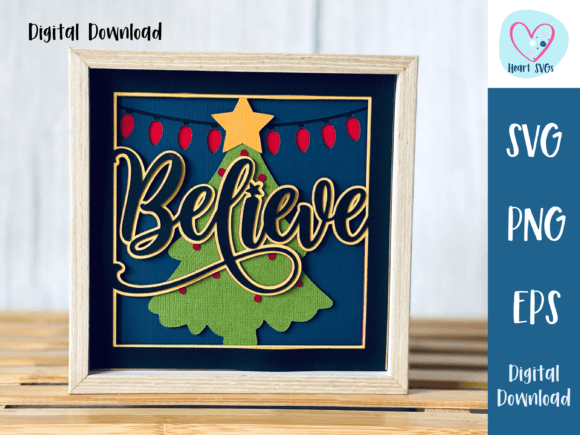
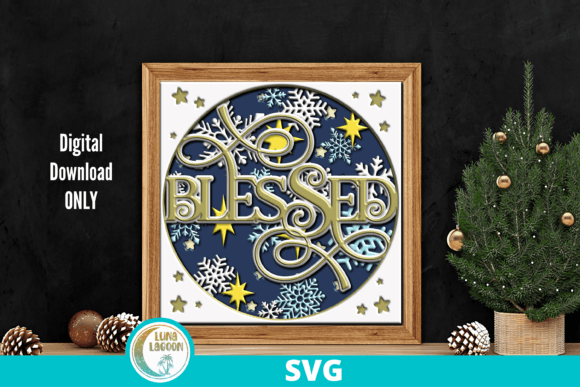
When I first opened the Christmas 3d Shadow Box SVG, my initial reaction was a mix of curiosity and caution. As someone who has spent years testing digital assets for real-world production, I know that a pretty preview on a screen doesn't always translate to a flawless stitched result. This design immediately caught my eye with its layered aesthetic, promising depth without requiring complex manual techniques. It feels less like a flat graphic and more like a miniature scene waiting to be brought to life on fabric. The mood is undeniably festive yet sophisticated, moving away from the cluttered, overly busy holiday tropes often seen in mass-produced goods. It strikes a balance between playful charm and clean lines, which suggests it could work well for boutique branding or high-end personalized gifts.
Bringing the Design to Life: A Real-World Scenario
To truly evaluate the potential of this embroidery file, I decided to run it through a practical workflow scenario. Imagine you are an Etsy seller preparing inventory for the upcoming holiday season. You need a standout piece for your shop that screams "handmade" but still looks professional enough to command a premium price. I chose to test the Christmas 3d Shadow Box SVG on a custom embroidered tote bag intended for a local craft fair. The goal was to create a unique accessory that customers would want to carry while shopping for their own gifts.
The decision to use this specific design was strategic. Tote bags require designs that can withstand frequent handling and washing, so durability was my primary concern. The shadow box concept offered a natural focal point that wouldn't get lost against the canvas texture. When I laid out the mockup, the composition felt balanced, leaving enough negative space around the edges for the bag's seams and handles. It didn't feel cramped, even when scaled down to fit a standard front pocket placement. For a small business owner, this kind of visual harmony is crucial because it directly impacts how customers perceive the value of the item. A well-composed design suggests attention to detail, which builds trust before the customer even touches the product.
Performance Across Different Fabrics and Projects
Moving beyond the tote bag, the versatility of the Christmas 3d Shadow Box SVG becomes apparent when considering various garment types. I tested the layout mentally against several common items: sweatshirts, baby onesies, aprons, and pillow covers. On a heavy cotton sweatshirt, the design would likely excel, as the thick fabric provides a stable foundation for the stitch density required to achieve the shadow effect. The contrast between the fill stitches and the satin outlines should pop beautifully against dark winter colors like navy or burgundy.
However, the application shifts when we move to softer materials. For baby embroidery, such as on a soft knit onesie, the density needs careful consideration. While the design is visually appealing, the "shadow" aspect implies multiple layers of stitching. If the stitch count is too high, it might create a stiff patch that could irritate sensitive skin. In these cases, the design works best if adjusted slightly or used on a sturdier fabric insert before being attached to the delicate garment. Similarly, for kitchen towels or tea towels, the crispness of the shadow box shape complements the woven texture perfectly. It adds a touch of elegance that elevates a simple utility item into a thoughtful holiday gift.
I also considered its use on curved surfaces like caps. Here, the challenge lies in maintaining the integrity of the box shape during digitization. If the underlying machine embroidery design isn't optimized for curvature, the straight lines of the shadow box might warp, ruining the illusion of depth. For a cap, this design requires a smaller hoop size and precise registration. If executed correctly, it creates a striking 3D effect that stands out against the brim, making it an excellent choice for corporate holiday merch or team uniforms looking for a seasonal twist.
Navigating Potential Pitfalls and Limitations
No design is without its challenges, and understanding where the Christmas 3d Shadow Box SVG might struggle is just as important as knowing where it shines. One area to exercise caution is on textured fabrics. If you plan to embroider this on a boucle wool or a heavily napped fleece, the fine details of the shadow box might get lost in the pile of the material. The definition of the "box" relies on clear boundaries, and a fuzzy background can blur those lines, reducing the perceived quality of the finished product.
Another critical factor is thread color contrast. The success of a shadow box effect relies heavily on the interplay between light and dark threads. Using low-contrast thread colors, such as red on a dark brown background, will flatten the design and eliminate the 3D illusion entirely. To maintain the visual appeal, you must select thread colors that provide sufficient separation. Additionally, small details within the corners of the box can be problematic if the hoop size is limited. Tight corners tend to bunch up during stitching, especially if the stabilizer isn't properly selected. If you are working with a very small hoop, inspecting these tight areas is essential to ensure they don't pucker the fabric.
Frequent washing is another consideration for commercial products. Designs with dense fill stitches can sometimes trap lint or wear down faster than simpler running stitch patterns. For items like aprons or tote bags that will see heavy use, ensuring the design uses durable stitch structures is key. Always check whether the design includes adequate underlay stitches to secure the top layers; without them, the satin stitches might lift or tear after a few wash cycles.
Practical Notes for the Embroidery Designer
Before committing to a full production run, I strongly advise treating every new design asset with a healthy dose of skepticism until proven otherwise. Start by testing the Christmas 3d Shadow Box SVG on scrap fabric that matches your final project material. This step reveals how the thread tension interacts with the specific weave of your fabric. Pay close attention to the stitch density; if the design feels too heavy, consider adjusting the settings or selecting a lighter weight thread to prevent puckering.
Review the stitch types closely. A good design will utilize a mix of satin stitch for borders, fill stitch for the main body, and running stitch for delicate accents. Ensure that the transition between these stitches is smooth to avoid bird-nesting or thread breaks. Inspect the small details and lettering, if any, to confirm they remain legible after stitching. Sometimes, what looks sharp on a monitor appears jagged on cloth. Testing in black and white mockups can also help you visualize the tonal values of the design without the distraction of color.
Don't forget to verify the licensing terms. If you are planning to sell finished items or digital product previews, confirming that the license allows for commercial use is non-negotiable. Check whether the file formats are compatible with your embroidery machine software and whether the recommended hoop size aligns with your equipment. Finally, consider the end-user experience. Does the finished product feel comfortable? Is the presentation professional enough to justify the price point? These questions guide the final judgment on whether a design is truly ready for the market.
In conclusion, the Christmas 3d Shadow Box SVG offers a compelling option for designers looking to add a dimensional flair to their holiday collections. With careful execution and a realistic approach to material selection, it has the potential to become a staple in your repertoire of handmade products. Whether you are creating a personalized gift for a client or stocking your boutique with unique decor, this design provides a solid foundation for creating memorable, high-quality embroidery projects.